
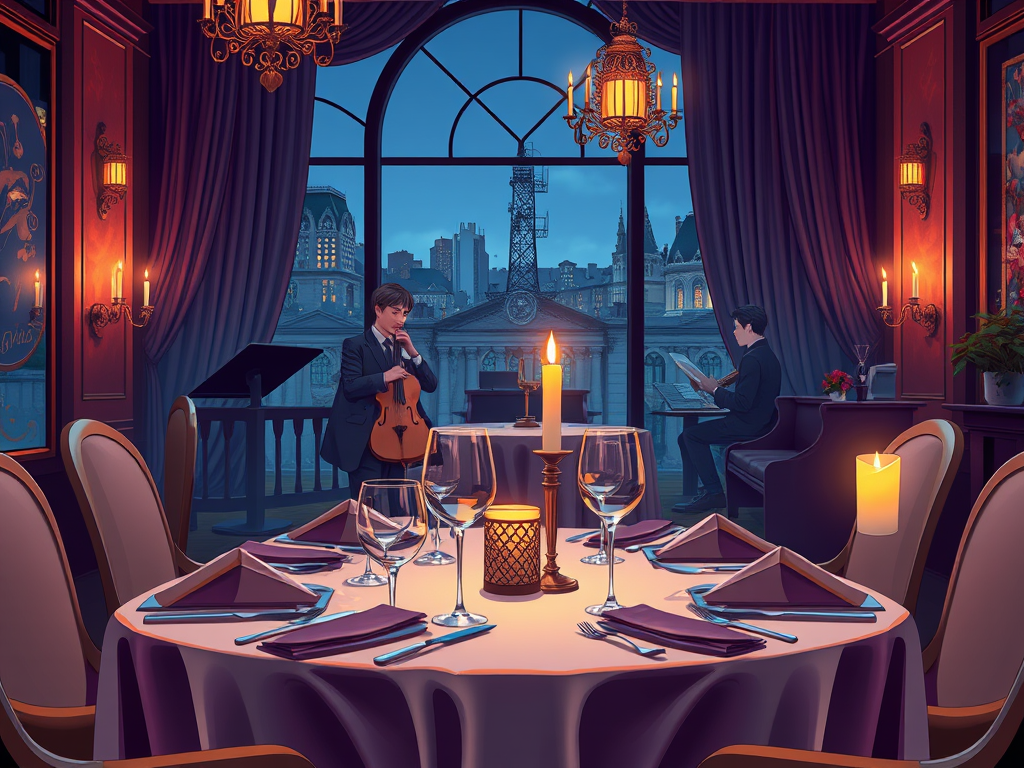
The role of music in a restaurant is a delicate art, a key component of the overall dining experience that, when done correctly, can elevate the food, influence customer behavior, and reinforce a restaurant’s brand identity. The type of music chosen is highly dependent on the restaurant’s style and a range of factors including tempo, volume, and genre, all of which are strategically used to create a desired atmosphere.
Fine Dining Restaurants: The Soundtrack of Sophistication
In a fine dining establishment, the music is a subtle backdrop, never intended to be the focus. The goal is to create an elegant, tranquil, and luxurious atmosphere that encourages diners to relax, savor their food, and engage in quiet conversation.
- Classical and Instrumental Jazz: These are the quintessential genres for fine dining. Classical music, particularly piano or string pieces, projects an air of timeless sophistication. Studies have even shown that playing classical music can lead customers to order more expensive items from the menu, as they subconsciously associate the music with a higher perceived value. Instrumental jazz, with its complex yet non-intrusive melodies, creates a cool, urbane vibe without distracting from the food or conversation.
- Ambient and Downtempo Electronic: For modern, upscale restaurants, ambient and downtempo electronic music provide a sleek, contemporary alternative. These genres feature gentle rhythms and a lack of vocals, which allows them to fill the space and create a modern, immersive atmosphere without being loud or distracting.
Fast Casual and Family Restaurants: The Sound of Energy and Efficiency
These restaurants have a different set of priorities. Their business model often relies on high customer turnover and a fast-paced environment. The music is chosen to match this energy and to appeal to a broad demographic.
- Upbeat Pop and Indie Pop: Fast, high-energy music is strategically used to influence the dining pace. Research has shown that a faster tempo can subconsciously cause customers to eat more quickly, thus increasing table turnover during peak hours. Pop and indie pop are excellent choices as they are generally familiar, catchy, and appealing to a wide range of ages.
- Family-Friendly Playlists: For restaurants catering to families, the music must be universally suitable. Playlists are often curated to include clean, upbeat hits from various decades that can be enjoyed by both children and adults. This helps to create a fun, welcoming atmosphere for everyone, which is key to encouraging repeat family visits.
Themed and Casual Restaurants: A Taste of Culture
The music in a themed restaurant is designed to transport diners to a different place or time, enhancing the authenticity of the cuisine and the overall experience.
- World Music: For restaurants serving a specific cuisine, playing traditional or contemporary music from that culture can significantly enhance the sensory experience. For example, a Mexican restaurant might play mariachi or Latin pop, an Italian trattoria might feature classic opera or Italian folk music, and a Thai restaurant might use soft, traditional Thai instrumental music. This sonic branding makes the dining experience feel more genuine and immersive.
- Blues, Soul, and Funk: In venues like BBQ joints or American-style diners, genres like blues, soul, and funk create a soulful, authentic, and laid-back vibe. This music feels timeless and perfectly complements the hearty, comforting nature of the food.


