
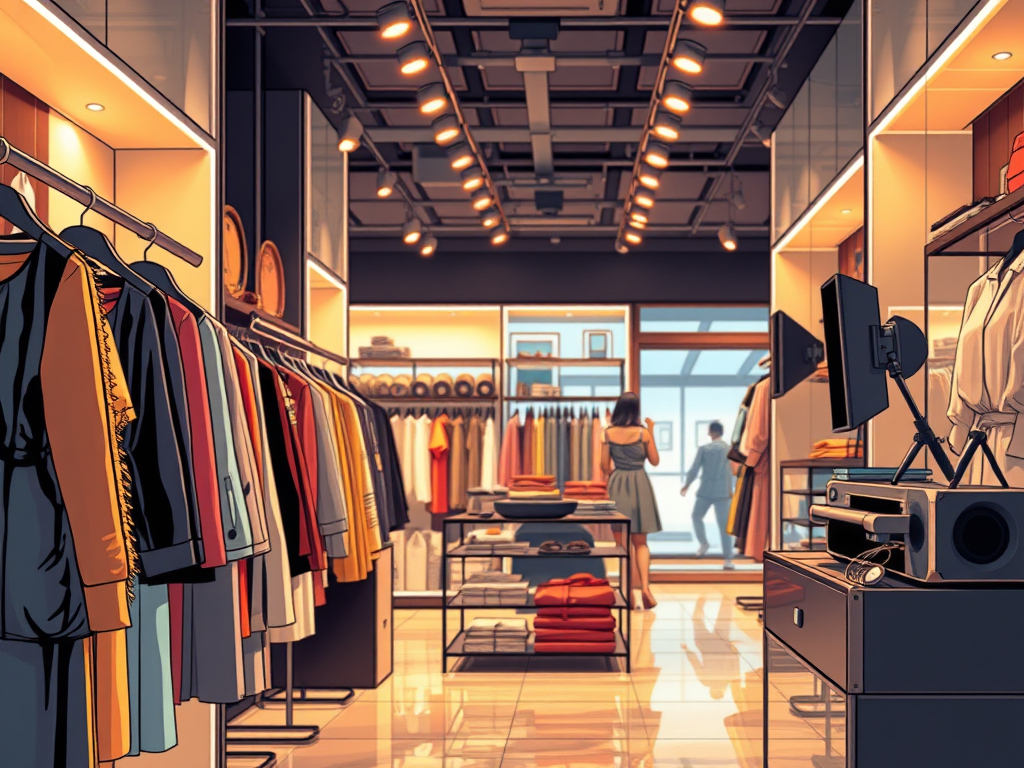
Music in retail is a powerful tool used to shape the customer experience, influence their behavior, and reinforce a brand’s identity. The music chosen for a store depends on a variety of factors, including the type of retailer, the target demographic, and the desired atmosphere.
Luxury Retail: The Sound of Exclusivity
In luxury retail, the goal is to create a refined, unhurried, and exclusive atmosphere. The music is an essential element of this, designed to make customers feel comfortable and to encourage them to take their time browsing.
- Classical and Instrumental: Music such as classical piano, string quartets, or instrumental jazz is a common choice. It projects an image of sophistication, quality, and timeless elegance. Research has shown that classical music can even influence customers to perceive products as being more expensive, potentially leading them to make higher-value purchases.
- Ambient and Nu-Jazz: For more contemporary luxury brands, downtempo electronic, ambient, and nu-jazz genres are popular. These styles are cool, modern, and non-intrusive, creating a sleek, refined soundscape that complements high-end fashion or technology.
Fashion and Apparel: A Reflection of the Brand
Fashion retailers use music as a direct extension of their brand’s identity. The playlist is carefully curated to appeal to the target demographic and to create an energetic, stimulating, or laid-back vibe, depending on the store’s style.
- Upbeat Pop and Indie Rock: For fast-fashion or trendy boutiques, upbeat pop and indie rock are common. The high tempo creates a lively atmosphere that encourages quick browsing and impulse purchases.
- Hip-Hop and R&B: Urban streetwear or youth-focused brands often use hip-hop and R&B to build a cool, edgy, and culturally relevant atmosphere that resonates with their target audience.
- Acoustic and Folk: Bohemian or casual fashion brands may opt for acoustic and folk music. This creates a relaxed, comfortable, and inviting atmosphere, encouraging customers to browse leisurely.
Grocery and Department Stores: The Soundtrack of Shopping
For large-scale retailers like grocery and department stores, music is used to control the flow and pace of shoppers. The music is generally a broad mix of genres designed to be universally inoffensive and subtly influential.
- Adult Contemporary and Classic Hits: The most popular choice, as it appeals to a wide range of ages. Familiar, upbeat, and often nostalgic songs are used to create a cheerful and pleasant atmosphere.
- Pop and Soft Rock: Music with a moderate tempo is often preferred to encourage a steady, unhurried shopping pace. A slower tempo can increase “dwell time”—the amount of time a customer spends in a store—which often leads to higher spending.
- Seasonal Playlists: These stores also heavily use seasonal music, such as holiday songs in December, to create a festive mood and encourage gift-buying.
Bookstores and Cafés: The Sound of Calm
Bookstores and the cafes within them prioritize creating a calm, relaxing, and intellectual environment. The music is meant to encourage customers to slow down, browse, and stay a while.
- Jazz and Classical Piano: These genres are excellent for a quiet, contemplative atmosphere. They fill the silence without being a distraction, allowing customers to focus on reading or working.
- Acoustic and Ambient: Gentle, instrumental, and lo-fi music is a popular choice for its ability to create a cozy and calm soundscape. It’s the perfect backdrop for browsing bookshelves or enjoying a coffee.
Convenience Stores: The Sound of Speed
In convenience stores, the musical strategy is the opposite of fine dining or bookstores. The goal is to facilitate quick, efficient purchases.Upbeat, Familiar Pop: The music in a convenience store is often upbeat and easily recognizable. The fast tempo is designed to match the desired speed of customer turnover. It keeps the energy high and encourages customers to make their purchases and move on quickly.


